Mound System Installation in Denver, CO
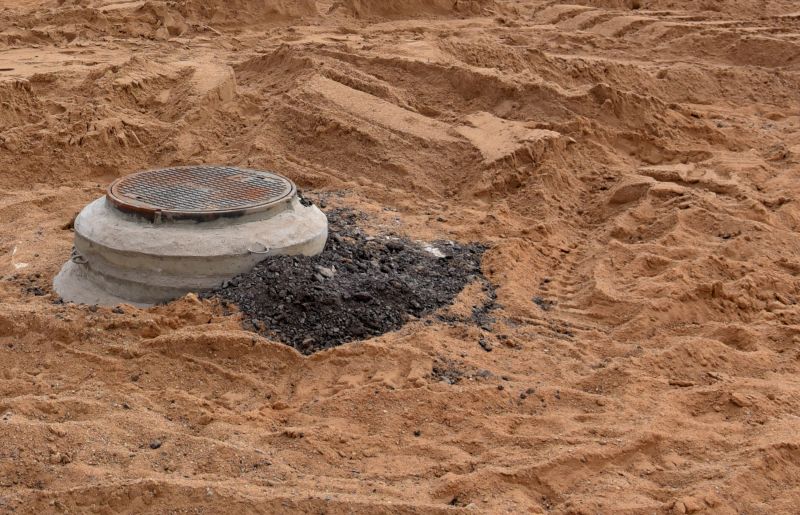
Mound system installation services provide a solution for property owners needing an alternative to traditional septic systems, especially in areas with challenging soil conditions or limited space. These systems typically involve a series of underground components that treat and disperse wastewater safely, making them suitable for residential properties, rural homes, or new construction projects where standard septic options are not feasible. Homeowners often seek information about the installation process, site requirements, and what to expect during the setup to ensure the system functions properly and complies with local regulations.
Before requesting mound system installation, property owners usually want to understand the site-specific factors that influence system design, such as soil type, water table level, and property size. It’s also important to consider the ongoing maintenance needs and potential impact on landscaping or property layout. Clarifying these details can help determine the most appropriate system configuration and ensure a smooth installation process that meets the needs of the household and adheres to local health and safety standards.
Many property owners in Denver, CO look into Mound System Installation for repairs, replacements, upgrades, and appearance-related improvements.
Proper System Design
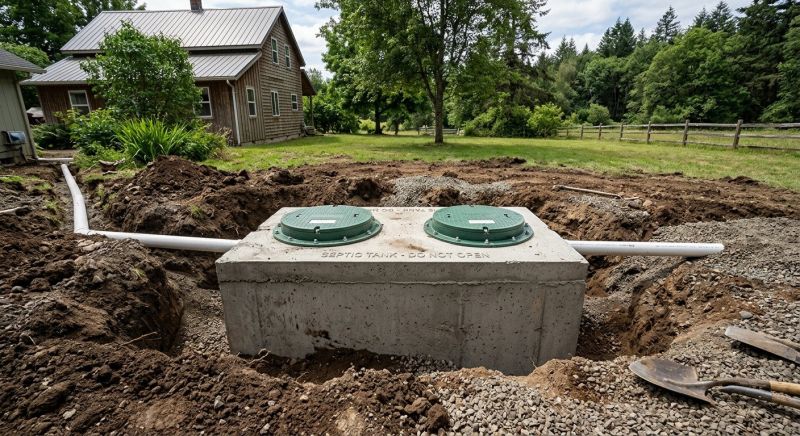
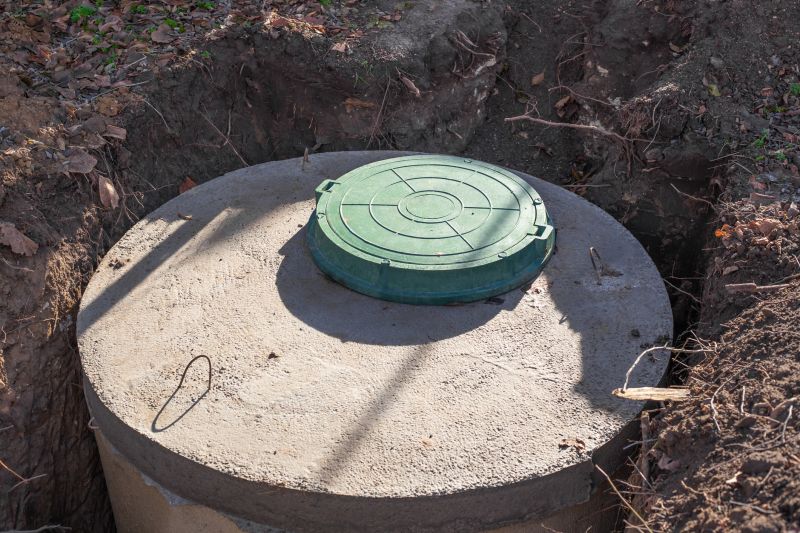
Mound systems are designed to effectively treat wastewater on properties without access to city sewer lines.
Installation Considerations
Installation involves careful site assessment and proper mound construction to ensure long-lasting performance.
Maintenance & Care
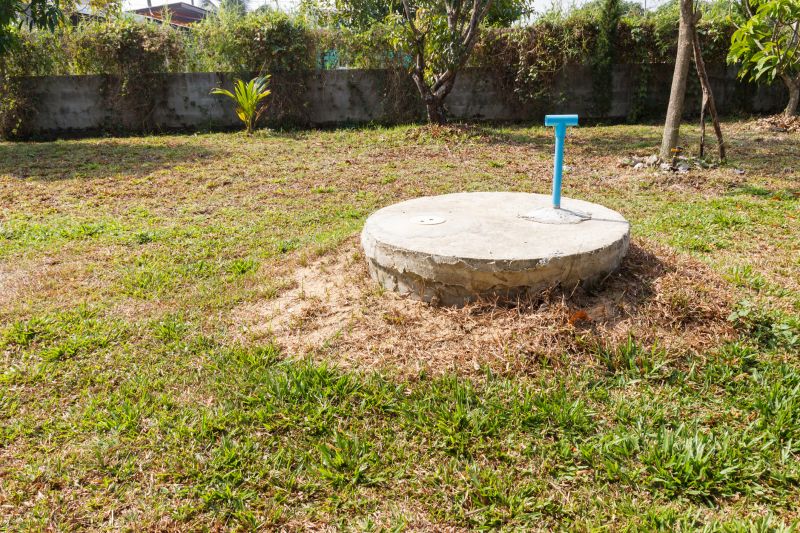
Regular inspection and maintenance help keep mound systems functioning efficiently in denver and surrounding areas.
Mound System Installation in Denver, CO
Mound system installation services provide a solution for property owners needing an alternative to traditional septic systems, especially in areas with challenging soil conditions or limited space. These systems typically involve a series of underground components that treat and disperse wastewater safely, making them suitable for residential properties, rural homes, or new construction projects where standard septic options are not feasible. Homeowners often seek information about the installation process, site requirements, and what to expect during the setup to ensure the system functions properly and complies with local regulations.
Before requesting mound system installation, property owners usually want to understand the site-specific factors that influence system design, such as soil type, water table level, and property size. It’s also important to consider the ongoing maintenance needs and potential impact on landscaping or property layout. Clarifying these details can help determine the most appropriate system configuration and ensure a smooth installation process that meets the needs of the household and adheres to local health and safety standards.
Many property owners in Denver, CO look into Mound System Installation for repairs, replacements, upgrades, and appearance-related improvements.
Common Mound System Installation Jobs
Mound System Installation - installation of underground septic systems for residential properties.
Septic System Setup - preparing the site and installing a mound system tailored to property needs.
Drain Field Construction - creating a properly designed drain field to ensure effective wastewater dispersal.
Soil Testing and Site Evaluation - assessing soil conditions to determine the best mound system configuration.
System Expansion and Upgrades - modifying existing mound systems to accommodate property or usage changes.
Maintenance and Inspection Support - providing guidance on system upkeep and troubleshooting for optimal performance.
Mound System Installation Questions
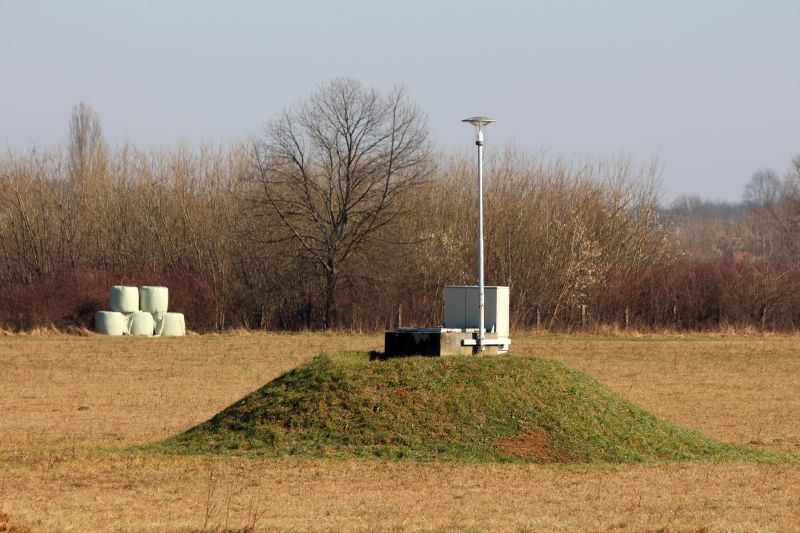
What is a mound system? A mound system is an on-site wastewater treatment method that uses a raised bed of gravel and sand to treat septic effluent when soil conditions are unsuitable for standard systems.
When is a mound system needed? A mound system is typically required when the soil has a high water table, poor drainage, or insufficient absorption capacity for traditional septic systems.
How does installation typically proceed? Installation involves excavating a designated area, constructing the mound with specified materials, and connecting the system to the property’s plumbing.
What property considerations are important for installation? Adequate space, proper grading, and access to suitable fill material are important factors for successful mound system installation.
Request Mound System Installation in Denver, CO
Use the quote form on this page to share the basics of your project and request more information for the type of work you need.